
Major changes in international mobility do not always arrive through sweeping agreements or highly publicized policy announcements. More often, they take shape through practical reforms that make it easier for people, businesses, and institutions to work across borders.
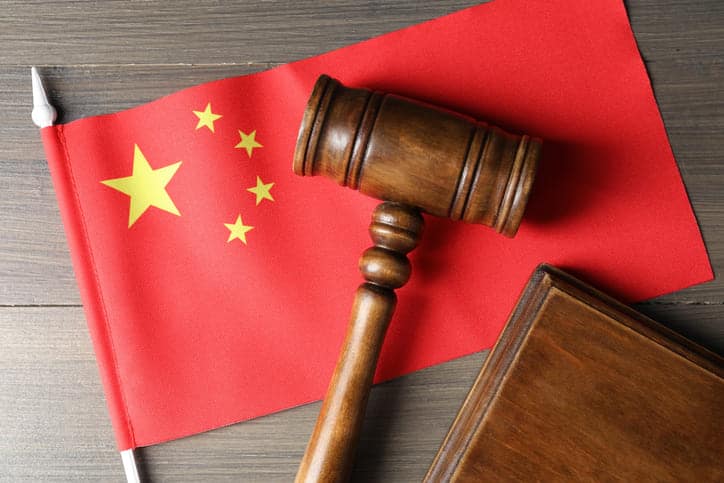
China’s accession to the Hague Apostille Convention is one of those reforms. Since the convention took effect for China in November 2023, many U.S. public documents intended for use in mainland China generally require a U.S. apostille rather than the more complex consular legalization process that previously applied.
At first glance, the change appears administrative. In practice, it affects teachers accepting positions at Chinese schools, engineers and technology workers relocating for new roles, students enrolling at universities, entrepreneurs entering unfamiliar markets, and families managing legal matters across jurisdictions. It also affects American companies expanding into China and Chinese businesses working with U.S. partners.
Companies operating in international document authentication have seen the effects directly. Apostille-USA, which assists individuals and businesses using U.S. documents overseas, says it has experienced growing demand from customers preparing records for employment, education, corporate expansion, investment, and family matters involving China.
The company’s experience points to a broader reality. International mobility depends not only on visas, transportation, trade agreements, or investment flows, but also on legal systems that are willing to recognize official records issued by one another.
Reducing Friction Across Legal Systems
Before China joined the convention, many foreign public documents had to pass through several layers of government and consular verification before they could be used in mainland China. The apostille system did not eliminate the need for authentication, but it reduced the number of administrative steps required before many foreign public documents could be used in mainland China.
That matters because international plans often depend on documents being accepted without unnecessary delay. A university diploma may support an employment application. An FBI background check may be required before a teacher can begin work. A birth certificate may be needed for a family matter, while a Power of Attorney can allow legal or commercial decisions to proceed when one party is overseas.
The same principle applies to business. Certificates of Good Standing, Board Resolutions, incorporation records, and other corporate documents may be required when establishing a subsidiary, entering a joint venture, opening a bank account, or authorizing representatives in another country. Chinese companies forming partnerships with U.S. businesses face the same need for trusted records when corporate documents must cross legal systems.
By simplifying how participating countries recognize public documents, the convention helps reduce one source of friction in cross-border investment, entrepreneurship, education, and professional mobility. The change is procedural, but its consequences extend into thousands of individual decisions and commercial transactions.
Trusted Documents Support International Cooperation
The importance of document recognition is easy to overlook because the paperwork usually appears only after someone has already made a larger decision. A professional has accepted a position. A student has chosen a university. A company has identified an overseas market. A family has begun addressing a legal matter that spans two countries.
For Apostille-USA, those circumstances are central to understanding the work. The company views document authentication as part of the infrastructure supporting global mobility rather than as a detached administrative service. Each order is connected to a larger objective, and delays or errors can affect employment dates, academic plans, corporate transactions, or family obligations.
Behind every international journey, whether it involves accepting a job abroad, studying overseas, managing a family matter, or expanding a business, is a chain of official documents that must be recognized across legal systems. Most people do not think about that process until they need it, even though it quietly supports many of the relationships linking China with the rest of the world.
China’s adoption of the Hague Apostille Convention shows how a technical legal reform can produce broad practical benefits. As economic, educational, and professional ties continue to evolve, trusted document recognition will remain an essential, if largely invisible, part of international cooperation.