




Could the Departure of Jack Ma Brighten Ant Group’s Long Term IPO Prospects?
There aren’t many firms that have faced such an exceptional string of challenges on the path to IPO as Ant Group. The Chinese tech...
The Chinese Digital Consumer in a Multichannel World
By Waldemar Jap, Jeff Walters, and Youchi Kuo
To capitalize on the opportunities being created by these rapid changes in the digital realm, companies must...

China Must Boost Social Sustainability in Order to Meet its Carbon Reduction Targets
By Jonas Törnblom
China has achieved a significant amount in only a few decades, more than any other country in history; however the challenges the...

How to Reshape the Epidemic-hit Service Sector
By Katherine Xin
The epidemic has dealt a heavy blow to the service industry, exposing and amplifying its weaknesses, which, I believe, will prompt the...
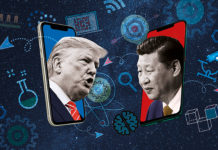
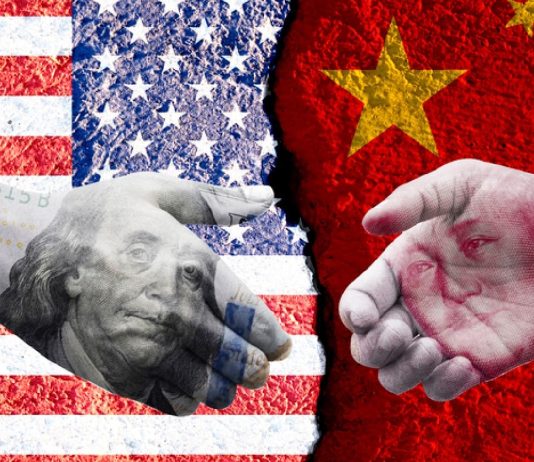
Overlooked Strategies for Surviving the US-China Trade War
By Dan Prud’homme and Mark Cohen
The trade war between the US and China has escalated to a point far beyond the expectations of many....

Exceeding Expectations
A growing number of outstanding organisations are discovering that, when the goal is to further exceed expectations, professional coaching can be a powerful application....
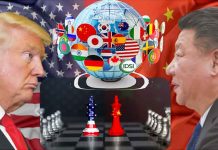
What Trump Can and Cannot Achieve in the Trade War
By George Siy
Trump had stated the assumptions he had for initiating the trade war, and what he hoped to achieve. This war has caused...

Civilised Cities: A New Model of Sustainable Urbanisation with Chinese Characteristics
By Bao Zonghao
The title of the civilised city, which is awarded every three years since 2005, has been the highest comprehensive accolade for Chinese...

What to Bring to a Job Interview
Is there a job interview on the horizon for you? Preparing for an interview ahead of time will help you ace the interview and...

Opportunities and Challenges of International Retailing in China
By Lisa Qixun Siebers
The performance of foreign retailers in China has shown a reversed U shape since their market entry in the 1990s. By...